How to Link Our Ancestries — Genetic and Linguistic
Our genetic make-up comes from our parents, and we learn our ‘mother tongue’ from them too. So language lineages and genetic lineages can and do, in principle, coincide.
And when people move and spread geographically, they take their language with them, so their genetic and linguistic lineages spread together, and keep in step. The world language panorama is marked by huge expansions of language lineages, many beginning millennia ago.
On the other hand, people can also stay put, but over the course of a few generations, switch to speaking a different language. This usually happens when some social, cultural or political changes make it more useful, more widely, to speak a language that originated elsewhere. In the western Roman Empire, for example, many regions gradually switched from speaking their original Celtic languages, and ultimately came to speak Latin instead (originally spoken in Latium — i.e. Rome). In such cases, the Celtic populations’ genetic lineage continued, but their linguistic lineage switched, so the two lineages were no longer in step. Latin spread not so much demographically in these regions, but ‘culturally’. In my own case, similar: my genetic lineage is more ‘Celtic’ (the surname Heggarty), but my native language lineage is Germanic (English).
So both scenarios are possible. Comparing language lineages and genetic lineages is not about assuming they will always match. On the contrary, it works by analysing where they do, and where they don’t, and using those patterns to work out which scenarios for the past would best explain the particular patterns of matches and mismatches that we see today.
Most language families are in practice a complex mix of both processes, spreading both demographically and culturally, in different regions and at different times. As disparities between human societies became ever greater through (pre)history, and as nation states and mass literacy (in national languages) have become prevalent, mass ‘cultural’ language shift is driving the extinction of most of the world’s languages and their diversity.
Modern genetics opens up a whole range of powerful new tools and perspectives on (pre)history, tracking how past populations moved into new regions, how much they intermixed with or outpopulated those groups already there, identifying differences between male and female ancestries, estimating past population sizes, and so on. All can be set alongside language prehistories too.
I have worked on how to integrate genetic and language prehistories — and both of them with archaeology and history — both in principle, and in two parts of the world in particular:
-
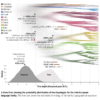
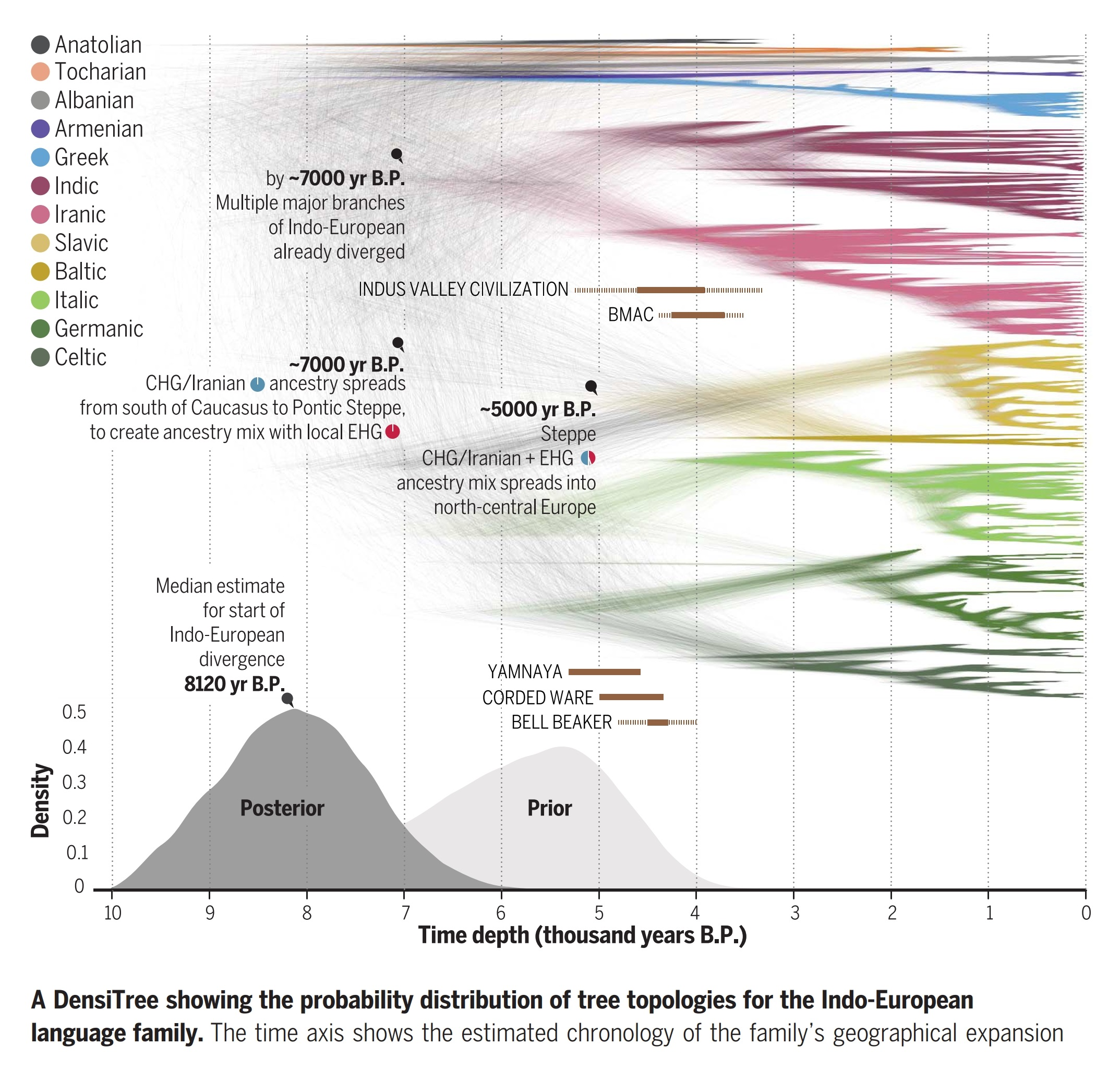
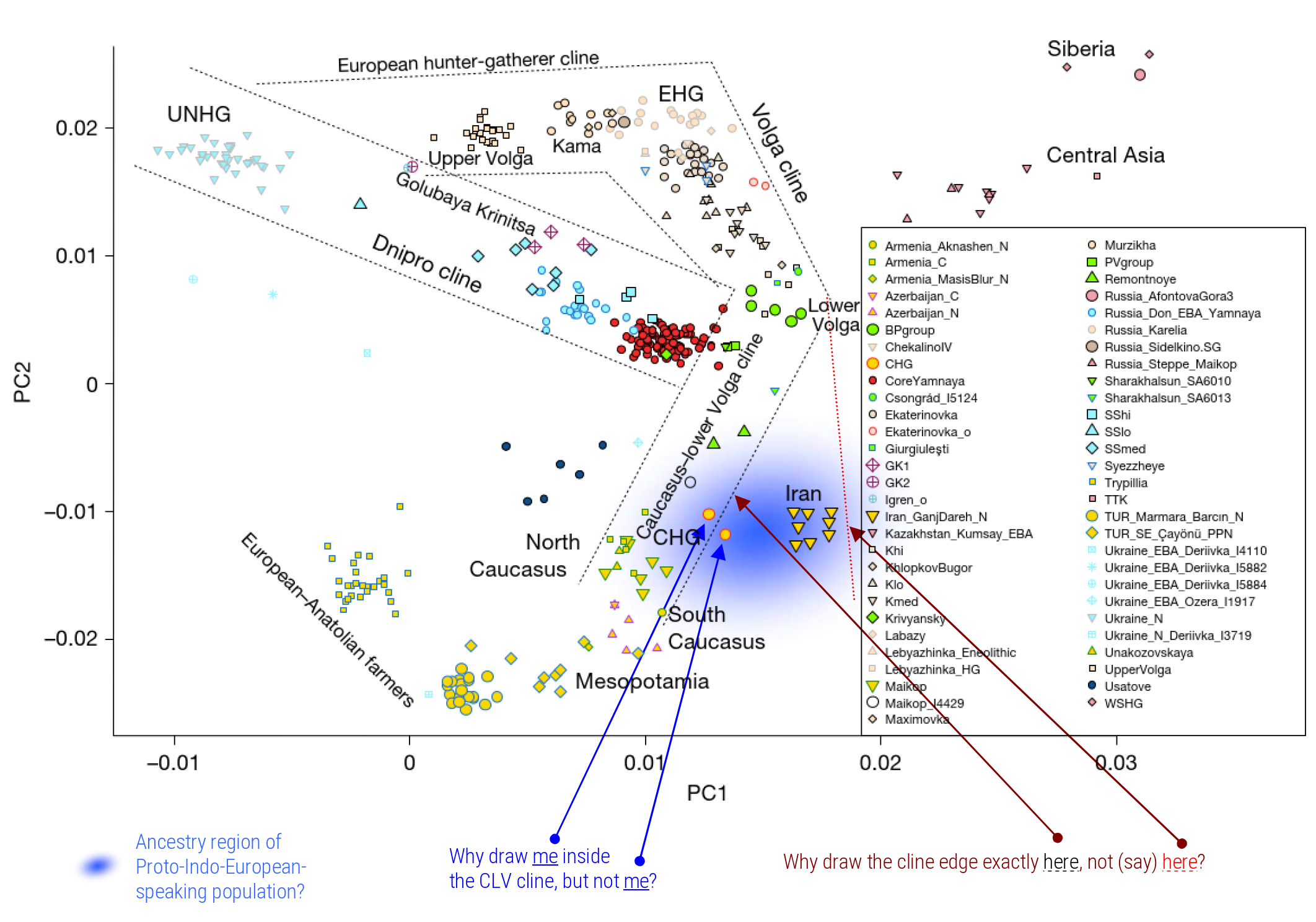
On the origins of the Indo-European language family, with Wolfgang Haak, in Science in 2023.
-
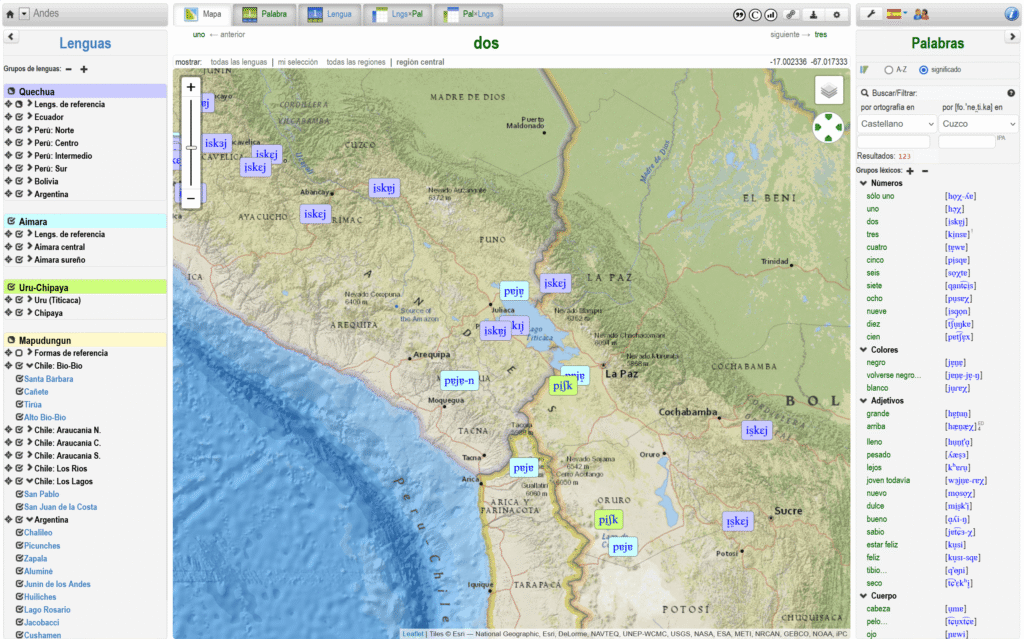
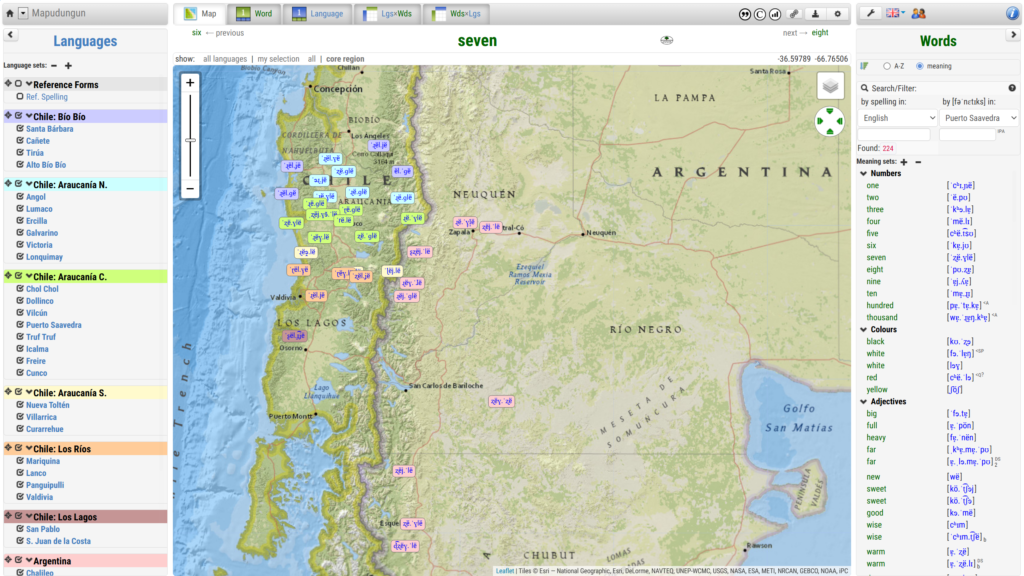
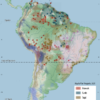
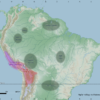
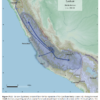
In the Andes, on the origins of the main indigenous language families: Quechua, Aymara and Mapudungun, especially with Chiara Barbieri.