The Mapuche
Language and Genetics in Patagonia
A Unique Language
The Mapuche’s native language, Mapudungun, is an isolate: not demonstrably related to any other language, anywhere. Little is known of its origins, or of exactly how and when it spread across both the Chilean and Argentinean sides of the Andes and Patagonia. Today, Mapudungun is increasingly endangered.
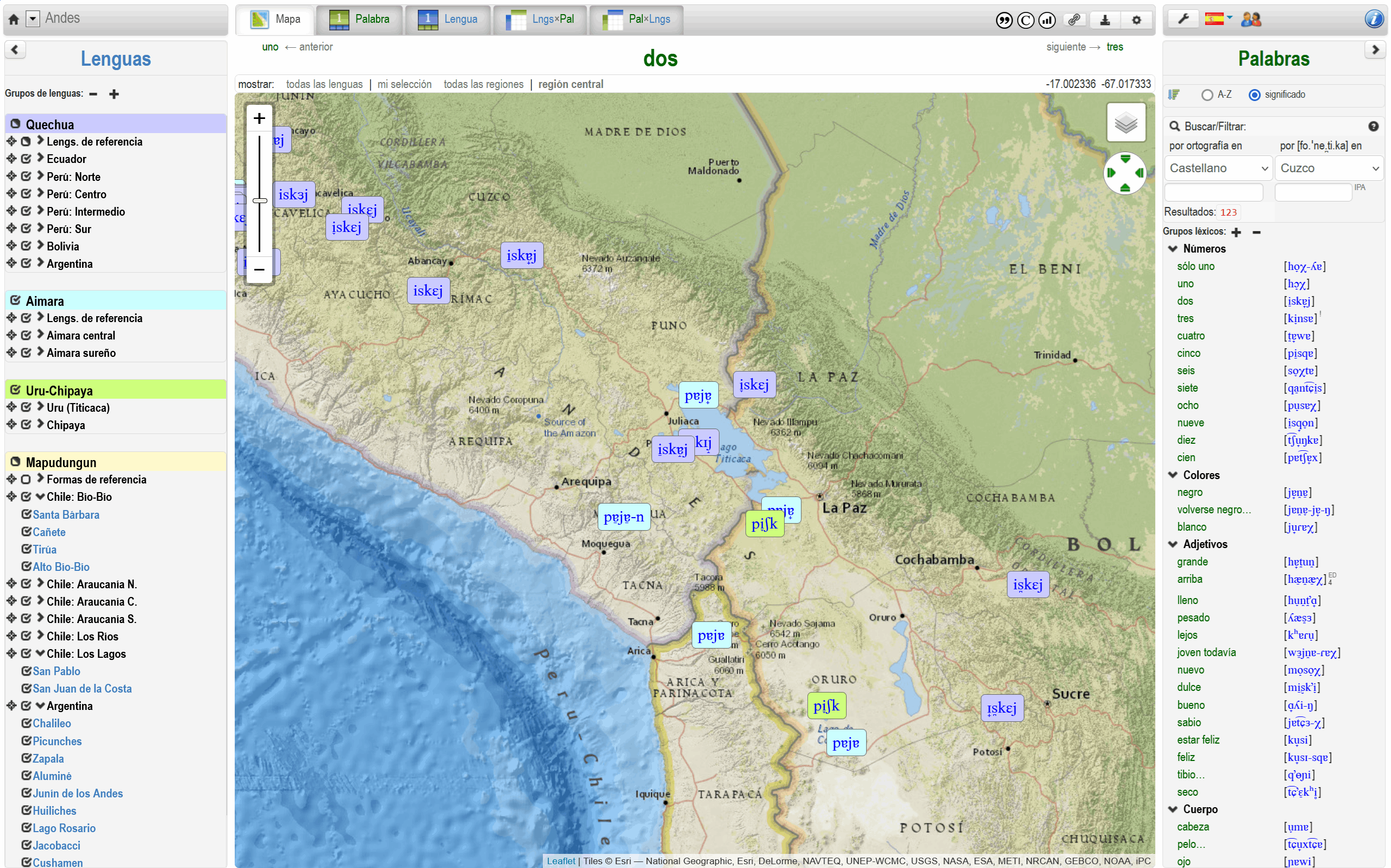
Together with Dr Scott Sadowsky and María-José Aninao, I ran the research project Sound Comparisons: Mapudungun, creating a ‘hover and hear’ resource to explore the diversity in phonetics across 37 different geographical varieties of Mapudungun, recorded in extensive fieldwork in both Chile and Argentina, and transcribed to high phonetic detail.
Genetic Ancestry
Our linguistic fieldwork served as a launchpad for a sister project on the genetics of the Mapuche, led by Chiara Barbieri and Epifanía Arango-Isaza, and again with María-José Aninao. This research, published in Current Biology, found the Mapuche to be unexpectedly divergent from other indigenous populations within South America, in line with the isolate status of their language. The results were returned to Mapuche communities on a second fieldwork trip, covered in the documentary Finding First Peoples, by Renato Giugliano.
See also: sadowsky.cl/mapu — Finding First Peoples
Publications
… on this research theme of: The Mapuche
No publications found.